
What is Indoor Gardening?
Indoor gardening can be something as simple as growing plants in a pot or two, to more elaborate setups growing different types of vegetables, fruits, herbs, and flowers.
Simply put, it’s the act of growing different plants or produce inside your home that you would otherwise grow outside.
This could be due to many different reasons ranging from lack of outdoor space, cold temperatures outdoors that prevent growing your desired produce, to wanting to pick your own herbs indoors.
Regardless of your reasoning behind it, indoor gardening can be incredibly fun and rewarding to do.
With the right space and set up indoors, you can easily grow a wide range of plants inside the comfort of your own home. All you need to do is to make sure you pick plants that are suitable for the place you plan on growing them in.
There are two main ways you can garden indoors: the conventional way by creating your own setup, or by going for smart gardening kits from the FullGas Garage that do most of the work for you.
What you need to get started!
Space to Grow
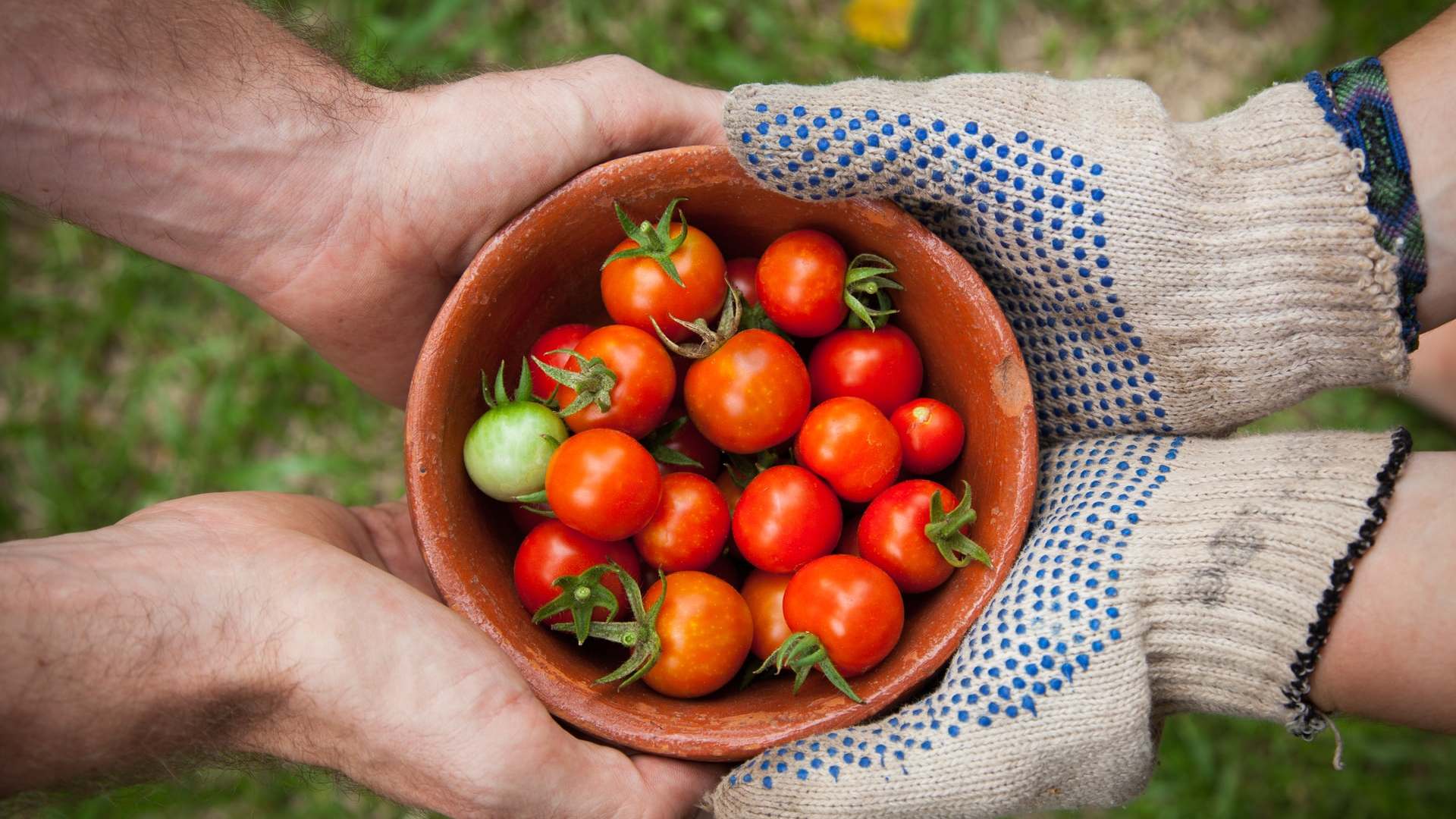
An indoor garden can take up as much or as little space as you are willing to give it. Growing plants of all kinds, even tomato gardening can be done on a windowsill or on a table.
Larger growers or the more dedicated may want to set up a table or bench specifically for the garden.
Find an area with a tile or linoleum floor to catch the spilt water or place plastic under your table.
Shelves provide lots of planting room while taking up little space. If using shelves, make sure that adequate light reaches every plant. This may require a separate grow light for each shelf.
Light for your Plants
Plants need light to photosynthesize and need to photosynthesize to survive. Without adequate light, a plant will grow tall and spindly.
If there is enough energy to grow leaves, they still may not totally expand. And without enough light, don’t plan on seeing flowers or fruit. Even plants grown near a window will probably not get enough light during the winter months to thrive.
There are a few things to think about when purchasing a grow light.
1. Plants have photoreceptors that absorb specific wavelengths of light. Your light needs to have the same wavelengths as the sun, which is why a regular light bulb doesn’t work.
2. The light should be as close to the plant as possible without burning the leaves.
What Size Grow Light Do I Need?
This will vary depending on the mounting height of the reflector (how far above your plants the light is) and the size of your indoor garden.
Temperature
Temperatures of 24-26°C are best for most plants. A variance of 5°C either way will probably be OK.
Plants that are too hot will be small and weak. Plants grown at too-cold temperatures may have yellow leaves that fall off.
Humidity
A lack of humidity in the house can be a challenge for indoor gardeners. Winter tends to be drier than summer, and if you run the heat in your house the problem is further compounded.
To increase humidity:
• Mist plants daily, or more often as needed.
• Place plants close together to create a microenvironment with a higher relative humidity.
• Run a humidifier (this might benefit your skin as well!).
Growing Medium
Indoor gardens benefit from a good planting medium — soil found outside is not appropriate, since it’s often too heavy and may contain weed seeds and insect pests.
Instead, you should use a mix that is specific to indoor plants or more specifically, cannabis.
A good growing media should remain loose and drain well yet contain enough organic matter to hold nutrients and moisture.
Hydroponics Growing
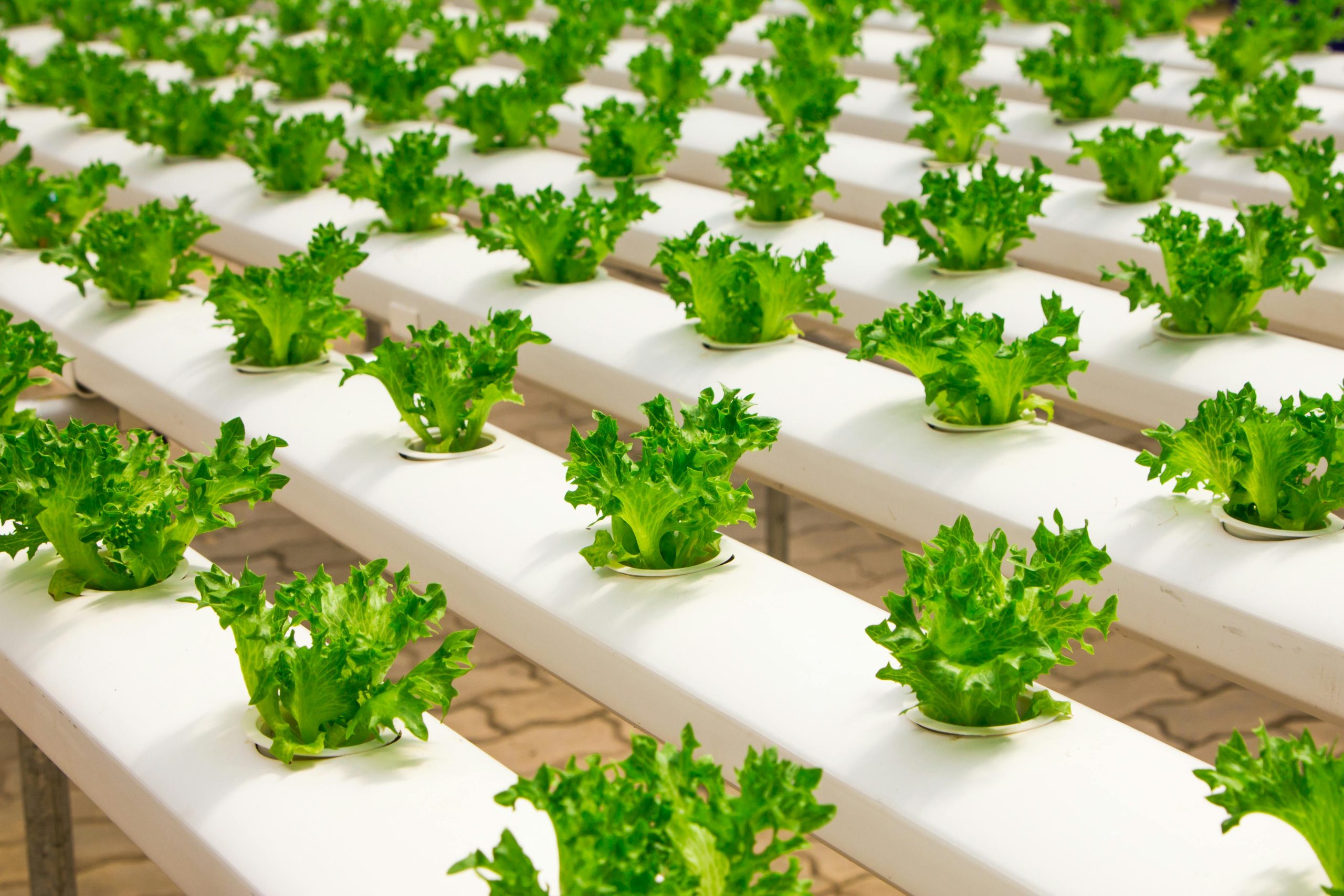
Instead of growing indoor plants in a soil mixture, you may want to try out hydroponics. Basically, this means gardening without soil.
Soil holds nutrients and anchors plants’ roots. When growing hydroponically you provide the nutrients directly.
Instead of being bound up in soil, the nutrients are readily available to the plants.
Some of the advantages of growing hydroponically include:
• Faster plant growth (up to 50% faster) since plants can easily access water and food.
• Roots grow throughout the media without becoming root bound, so containers can be smaller.
• Plants start in a disease-free medium and are less likely to become infected.
• If plants do become sick, the disease is usually in one plant, not all of them.
• Plants droop before they wilt, so you’ll know to water them before they are damaged.
Choosing Plants
Almost anything can be grown indoors — as long as it eventually doesn’t get too big.
However, do consider growing plants with similar light, humidity, and watering needs together.
Some obvious choices for an indoor garden include:
Cannabis
Sativa, Indica or Hybrid Strains, Auto-Flowering
Vegetables
Peppers, Salad Greens, Kale, Chard, Carrots, Onions, Cherry Tomatoes and Beans
Herbs
Basil, Parsley, Oregano, Lavender, Cilantro, Rosemary, Chives and Catmint
Fruits
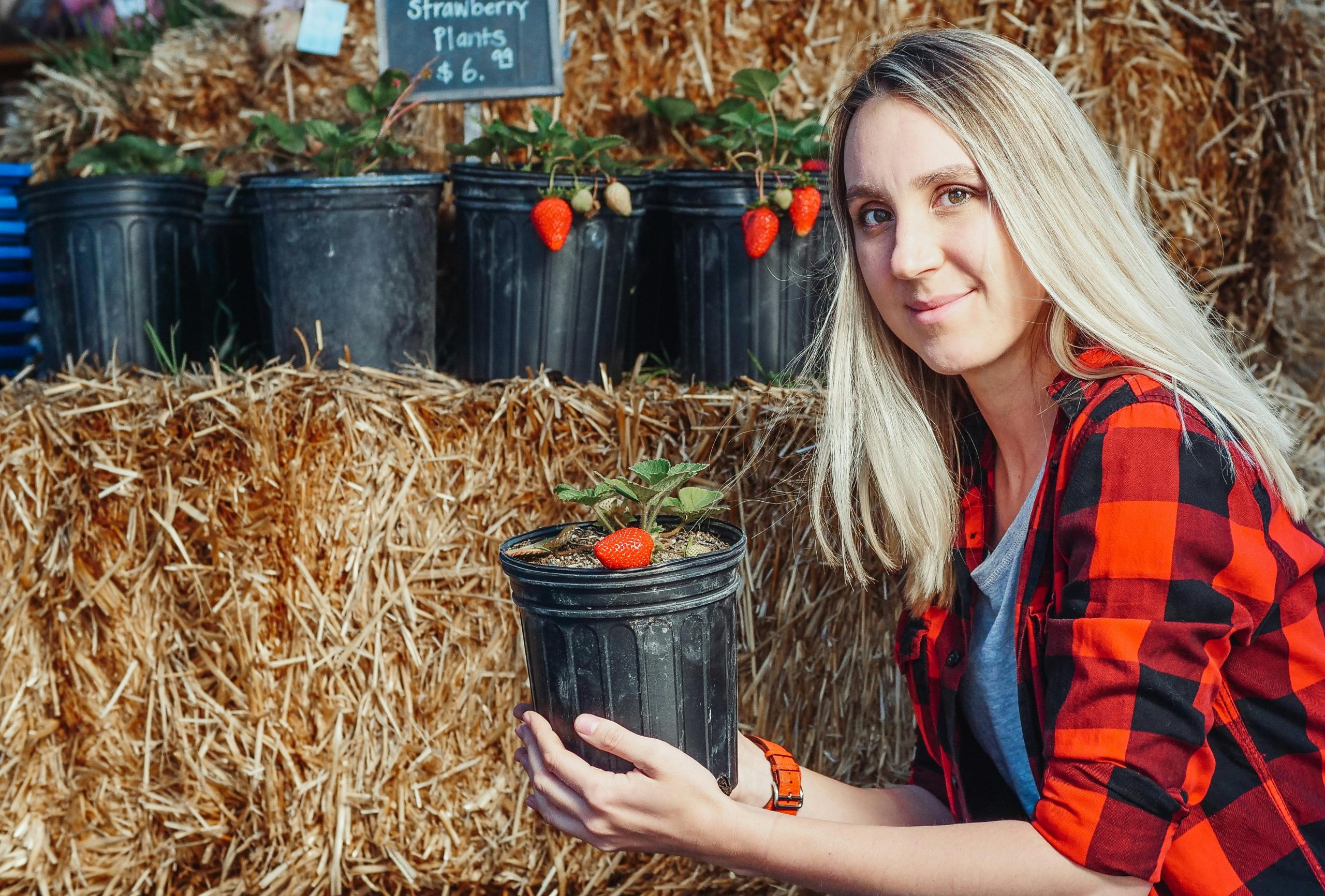
Strawberries, Blueberries, Dwarf Apples and Citrus